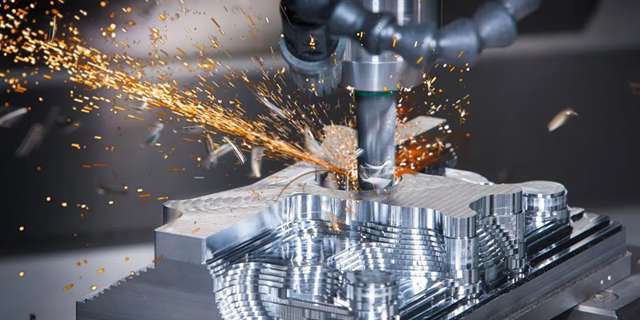
Material Machining
Custom Aluminum CNC Machining Service
From prototype to production — precision machined aluminum parts in 6061, 7075, 5052 and more. Tolerances to ±0.005 mm, no minimum order, delivered in as fast as 1 week.

What We Offer
Precision CNC Aluminum Machining Capabilities
Using advanced CNC technology including 4-axis, 5-axis milling, swiss machining and micromachining, KUSLA handles complex aluminum parts with tight tolerances — down to 0.0005 inches — and delivers with fast turnaround.
Machining Processes
Aluminum CNC Machining Processes
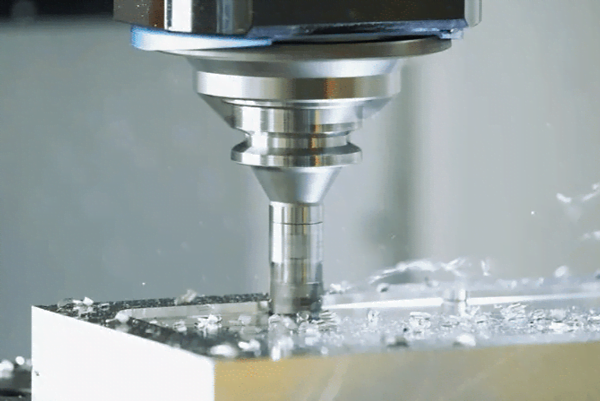
CNC Milling
Rotating cutting tools remove material from stationary aluminum workpieces to create complex shapes — brackets, housings, plates and enclosures with fine detail.
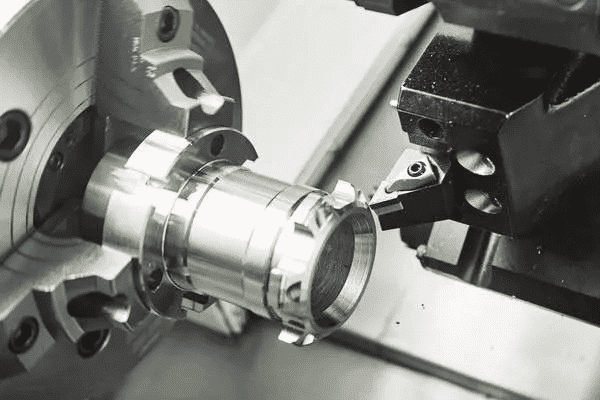
CNC Turning
The aluminum workpiece rotates against a stationary cutting tool — ideal for cylindrical and round parts such as pins, rings, shafts and bushings.
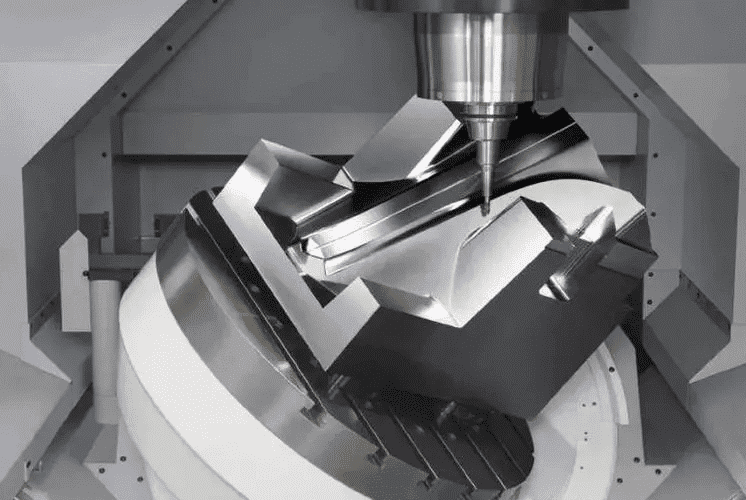
5-Axis Milling
Simultaneous movement along five axes shapes intricate aluminum components — aerospace fittings, medical housings and optical mounts — in a single setup.
Material Advantages
Why Choose Aluminum for CNC Machining
Aluminum combines easy machinability with an outstanding strength-to-weight ratio, corrosion resistance and thermal conductivity — making it the most widely machined metal across aerospace, automotive and electronics.
- Excellent machinability — fast cycle times, lower tooling costs
- High strength-to-weight ratio for lightweight structures
- Natural corrosion resistance, enhanced by anodizing
- Good thermal & electrical conductivity for heat sinks
- 100% recyclable — sustainable and cost-effective

Material Selection
Common Aluminum Alloys for CNC Machined Parts
Aluminum 6061
The most versatile heat-treatable alloy. Wide range of mechanical properties, strong corrosion resistance, and excellent workability when annealed. The go-to choice for general purpose machining.
Aluminum 6063
Known as the architectural alloy — exceptional finishing capabilities and strong corrosion resistance. Popular for extrusion applications, interior and exterior architectural trim.
Aluminum 7075
Among the strongest aluminum alloys with an impressive strength-to-weight ratio. Commonly used in aviation for components requiring complex structures and precise engineering.
Aluminum 2024
High strength-to-weight ratio with good fatigue resistance. Ideal for aerospace structural components. Not weldable, limited corrosion resistance, not suited for anodization.
Aluminum 5052
Strongest non-heat-treatable grade with higher fatigue strength than most other alloys. Excellent resistance to marine environments and saltwater corrosion.
Aluminum 6082
Medium-strength structural alloy renowned for excellent corrosion resistance. The strongest in the 6000 series and the most commonly machined alloy in plate form.
Technical Data
Aluminum Alloy Material Properties Comparison
| Alloy | Density (g/cm³) | Hardness (HB) | Yield Strength (MPa) | Max Temp (°C) | Elongation (%) | Relative Cost |
|---|---|---|---|---|---|---|
| 6061-T6 | 2.70 | 95 | 276 | 250 | 17 | |
| 6063 | 2.70 | 73 | 214 | 200 | 12 | |
| 7075 | 2.81 | 150 | 503 | 150 | 11 | |
| 2024-T3 | 2.78 | 120 | 345 | 150 | 18 | |
| 5052-H32 | 2.68 | 60 | 193 | 200 | 12 |
Deep Dive
What Is Aluminum CNC Machining?
Aluminum CNC machining is a subtractive manufacturing process that uses computer-controlled machine tools to cut and shape aluminum into parts of various geometries and sizes. Aluminum alloys provide excellent rigidity, support multiple anodizing colors, and are compatible with nearly every machining method — making them the most widely used metals in aerospace, automotive, and medical industries.
Applications of CNC Machined Aluminum Parts
Automotive
Engine covers, transmission housings, structural brackets
Aerospace
Frames, fittings, brackets requiring strength at reduced weight
Industrial
Precision tools, clamps, jigs, and machine housings
Electronics
Casings, heat sinks, buttons, and display frames
Post-Processing
Surface Finishes for CNC Machined Aluminum Parts
- As MachinedPart retains the surface directly from CNC machining — Ra 1.6–3.2 µm typical
- Bead BlastingGlass bead media creates a uniform, smooth matte texture
- AnodizingElectrochemical process adds corrosion resistance and optional color (Type II / Type III)
- Powder CoatingDry powder baked to form a durable, chip-resistant protective layer
- PlatingZinc, nickel or chrome layer deposited for protection or aesthetics
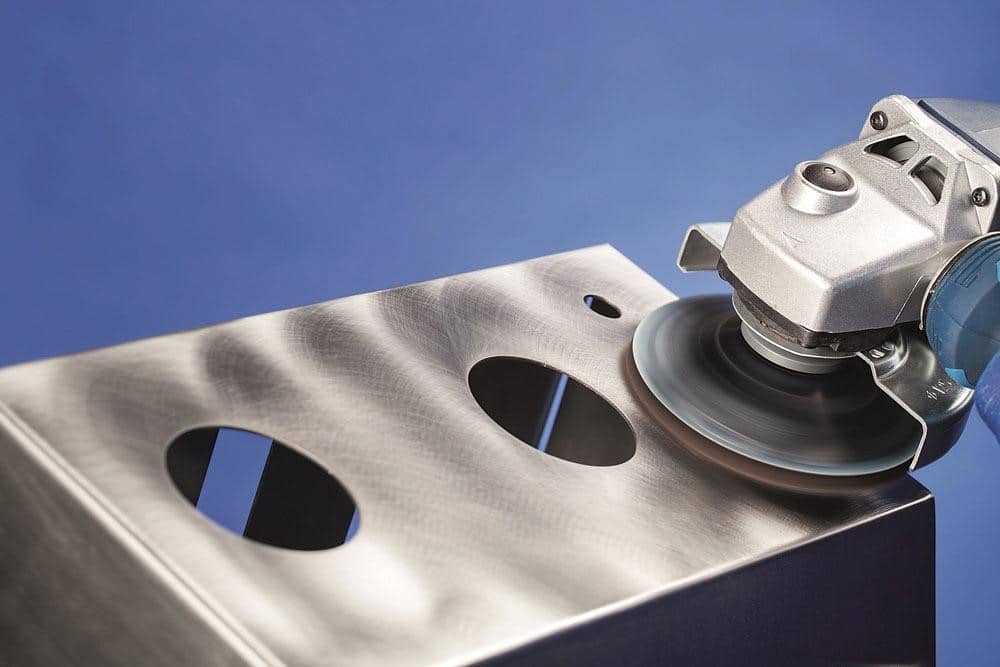
- Brushed FinishAbrasive brushing creates a uniform linear grain texture
- PolishedProgressive buffing produces a mirror-reflective surface
- ElectropolishingElectrochemical smoothing removes micro-burrs and improves cleanability
Our Work
CNC Machined Aluminum Parts Gallery
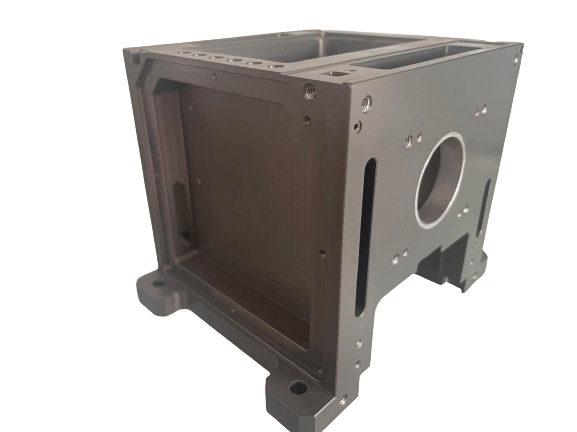
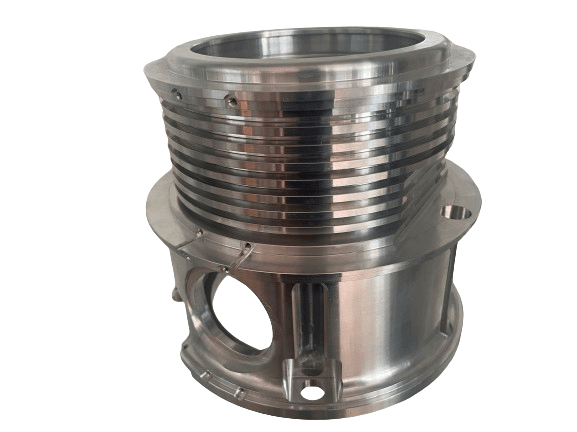
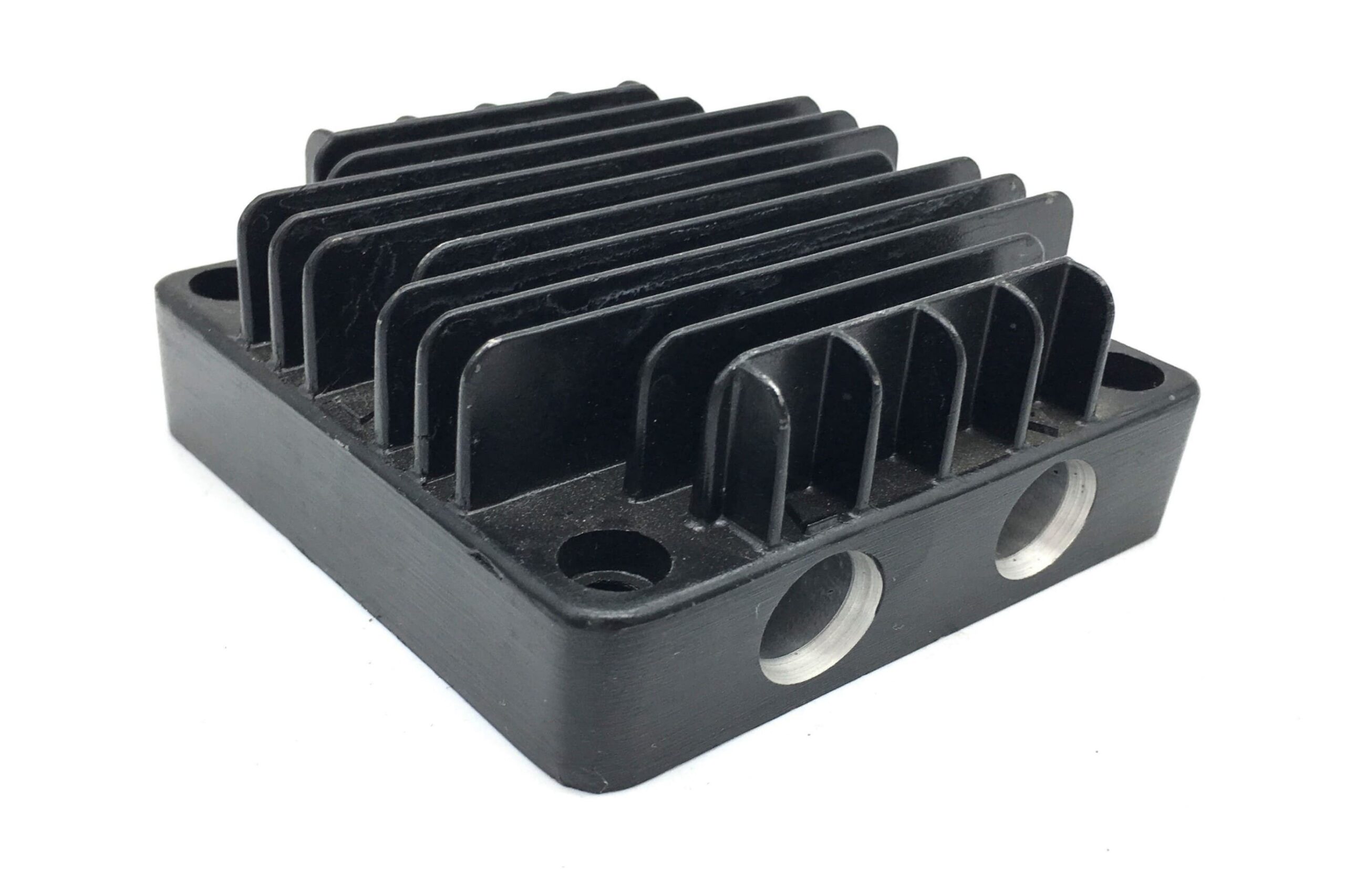
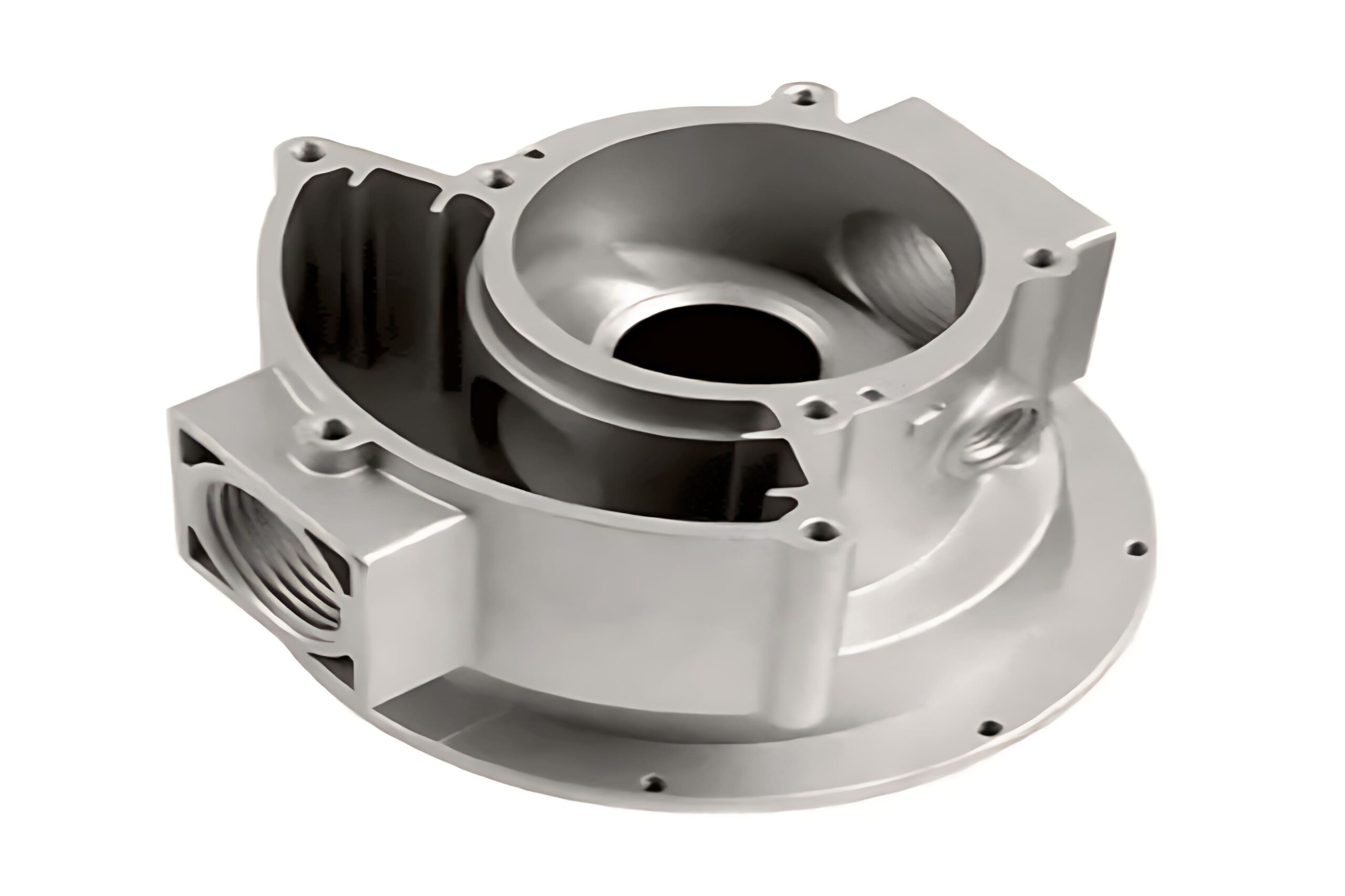
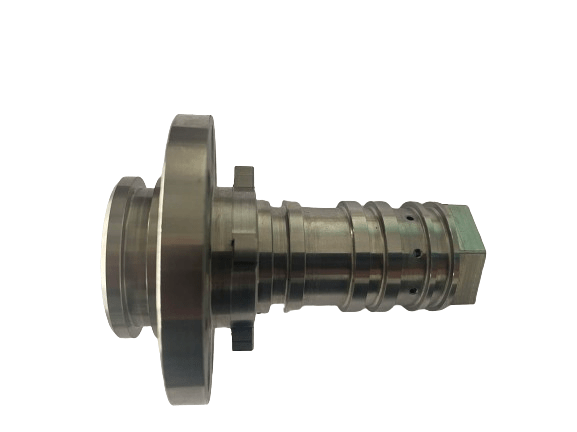
KUSLA has produced thousands of aluminum parts for customers worldwide. Here are selected examples of the precision components we deliver.
Common Questions
Aluminum CNC Machining FAQ
From the Blog