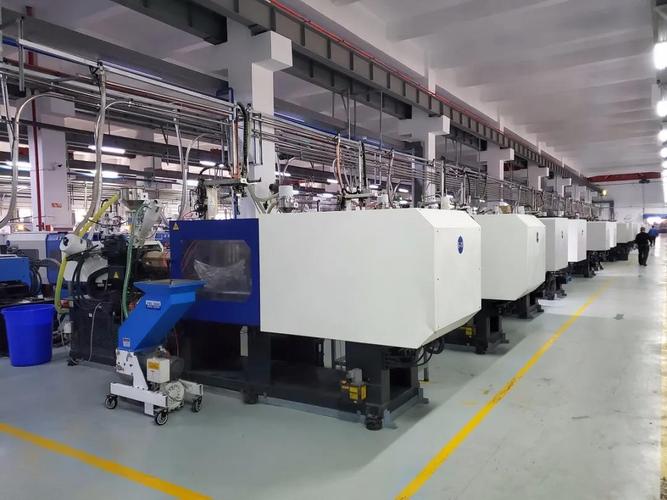
Prototype Injection Molding
Create production-quality molded parts for geometry validation, functional testing, and low-volume production — delivered in as few as 10 business days with aluminum rapid tooling.
Prototype Injection Molding With KUSLA
KUSLA Prototype has years of experience in prototype injection molding and rapid tooling. We reduce cost and lead time by using aluminum or softer steels such as P20 for mold tooling — cutting tooling costs by up to 25% and cycle times by 30–40% compared to hardened production molds.
Our service covers single prototypes through low-volume production runs up to 10,000 units. Every part is molded with production-grade resin so your prototypes behave exactly like final production parts in mechanical, thermal, and chemical testing.
Request DFM Review
Injection Molding Processes
Custom molded prototypes and production parts with fast lead times

Plastic Injection Molding
Mold parts using all common thermoplastics (ABS, PC, PP, Nylon, PEEK), thermosets, and liquid silicone rubber with production-grade material properties.
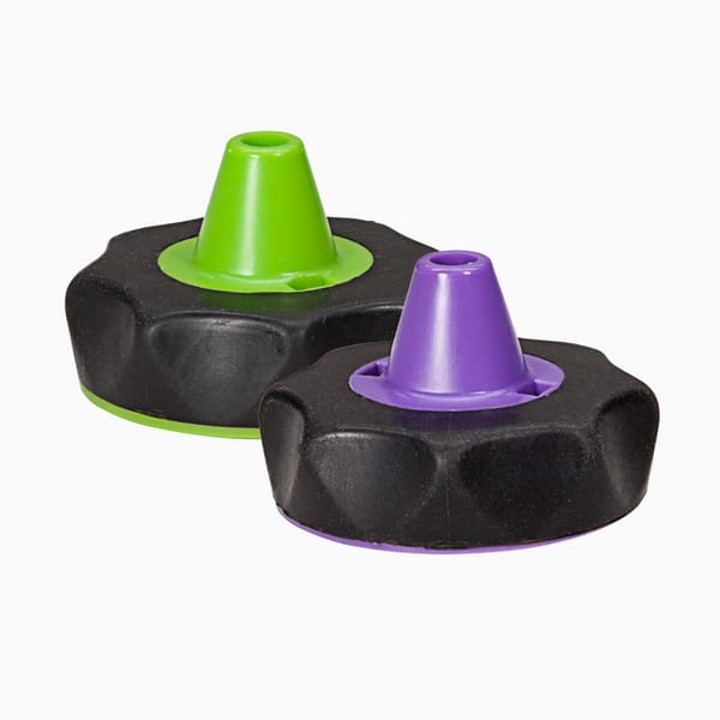
Overmolding
Multi-step process that bonds a second material layer — typically a soft-touch elastomer — over a rigid substrate for improved ergonomics and sealing.
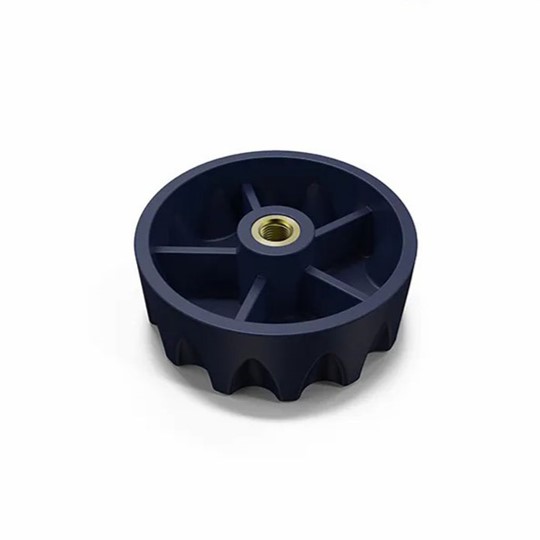
Insert Molding
Embed metal inserts — threaded fasteners, pins, bushings — directly into the molded part during the injection cycle, eliminating secondary assembly.
Prototype Injection Molding Specifications
| Parameter | Specification |
|---|---|
| Mold Life Cycle | Up to 10,000 shots (aluminum) · up to 100,000 shots (soft steel) |
| Mold Cavities | Single-cavity and multi-cavity configurations |
| Mold Tolerance | ±0.005 mm |
| Molded Part Tolerance | ±0.05 mm (tighter on request) |
| Machine Clamping Force | 50 T – 1,000 T |
| Maximum Part Size | 800 × 600 × 400 mm |
| Mold Materials | 7075 Aluminum, P20, 718H, 738H, S136, NAK80 |
| Lead Time | 2 – 4 weeks (expedited: 10 business days) |
| Minimum Order Quantity | 1 piece |
| Mold Storage | Free storage for 24 months of inactivity |
| Quality Inspection | CMM, mold flow analysis, DFM report included |
Tooling Options for Prototype Injection Molding
Aluminum Mold Tooling
Aluminum machines 3–5× faster than steel, shortening cycle times by 30–40% and cutting tooling cost by up to 25%. Excellent thermal conductivity speeds cooling, producing dimensionally stable parts with minimal warpage.

Soft Steel Mold Tooling
Soft steel tooling (P20, 718H, 738H) extends mold life to 50,000–100,000 shots. Supports higher injection pressures and engineering-grade resins that would wear aluminum prematurely, with better surface finishes including SPI-A1 mirror polish.
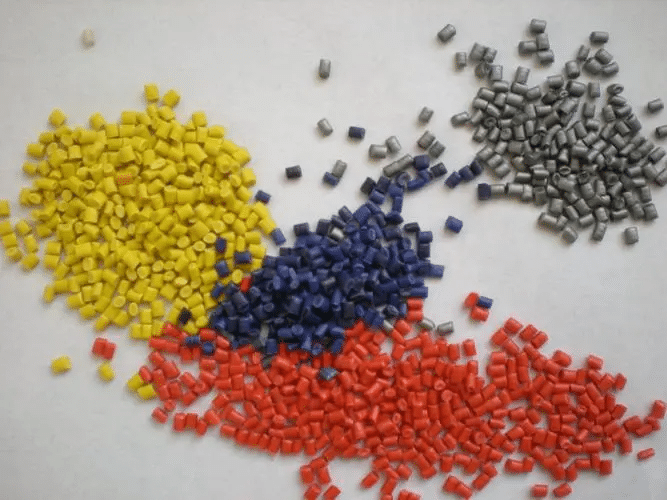
Available Injection Molding Materials
We work with all common thermoplastics, selected thermosets, and liquid silicone rubber. Every resin is sourced from certified suppliers to ensure consistent mechanical properties.
Custom Finishes for Injection Molded Parts
KUSLA follows SPI (Society of the Plastics Industry) standards to define mold surface finishes, from mirror-polish A1 to heavy texture D3. Secondary finishing operations are available for color, branding, and functional coatings.

What Is Prototype Injection Molding?
Prototype injection molding — also called rapid injection molding — uses quick-turn aluminum or soft steel tooling to produce injection-molded parts significantly faster and cheaper than traditional hardened-steel production molds. The process bridges the gap between 3D-printed prototypes and full production: you get parts made from the exact same resin, with the same wall thicknesses, gate marks, and surface finishes as mass-produced components, but with tooling lead times measured in days rather than months.
This makes it ideal for three scenarios: validating part geometry and fit in the actual production material, running functional or regulatory tests that require production-grade specimens, and fulfilling low-volume orders (typically 50–10,000 units) while production tooling is still being built.
Why Start With Prototype Injection Molding?
Starting with prototype tooling de-risks your production launch. A prototype mold lets you test the real part — not a simulation or a 3D-print approximation — before committing $20,000–$100,000 to hardened production tooling. If your DFM review reveals a wall-thickness issue or a weld-line problem, modifying aluminum tooling costs a fraction of reworking hardened steel.
Prototype molding also compresses your go-to-market timeline. While your production mold is being built (8–16 weeks), prototype tooling can deliver 500–5,000 bridge-production units in 2–4 weeks, letting you ship to early customers, run field trials, or stock initial inventory.
Frequently Asked Questions
Ready to Start Your Injection Molding Project?
Upload your 3D CAD file and get a DFM review and quote within 24 hours — no commitment required.
Get a Free Quote